Extending Fryer Basket Lifespan: Essential Maintenance Tips
Practical fryer basket maintenance: cleaning, drying, storage, inspection and correct handling to prevent rust and extend service life in busy kitchens.
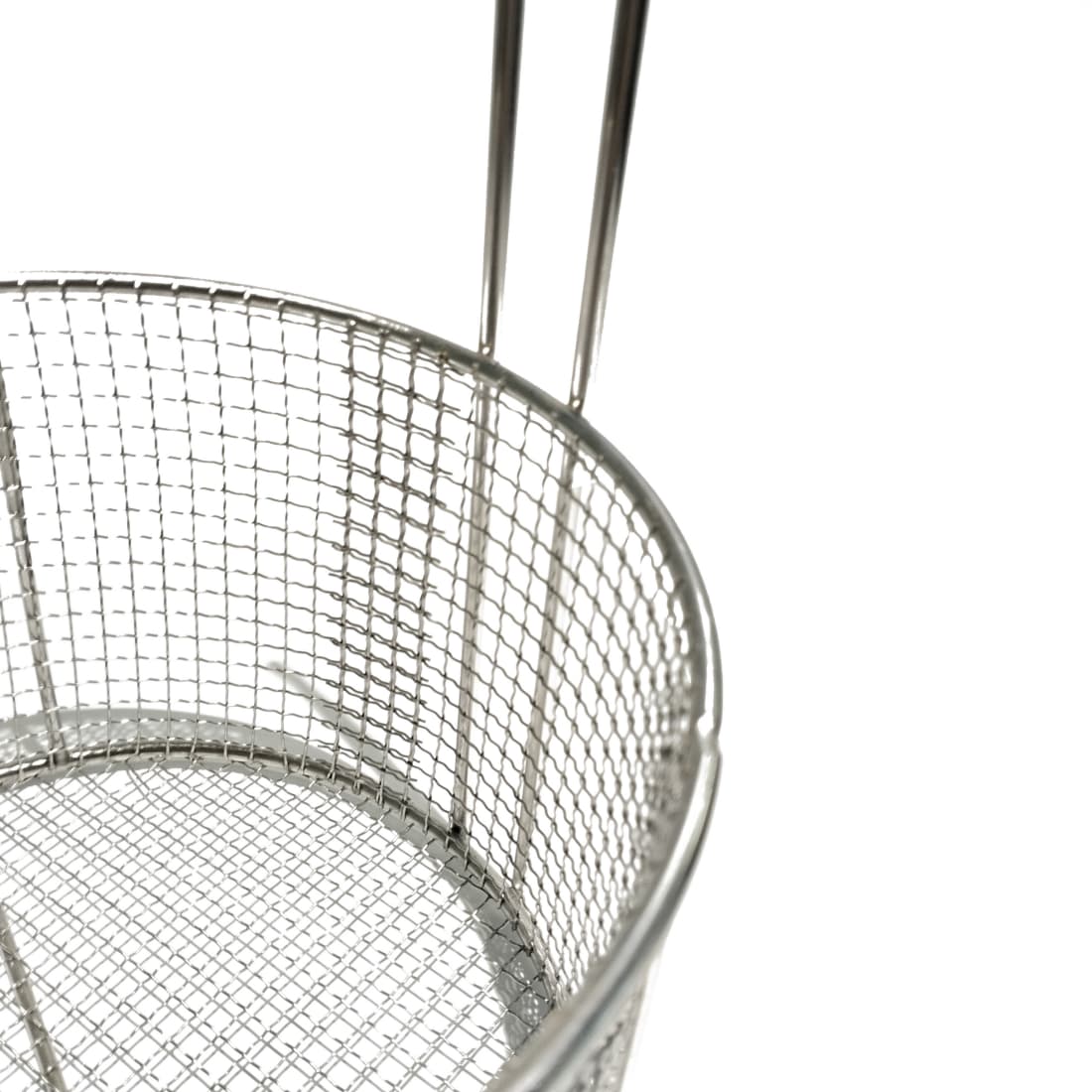
Cleaning practices that prolong life
Oil and food residue attack metal over time and shorten a basket's life. Soak the basket in warm, soapy water right after use to loosen grease, then scrub gently with a soft brush or sponge.
Avoid rough pads that scratch the surface. Rinse well to clear soap and bits, then dry fully with a clean cloth to stop rust. For tough stains, a vinegar-and-water mix removes grease without harming the basket.
Cleaning frequency matters: in high-use kitchens clean baskets after each shift; in quieter kitchens every few days. Regular cleaning keeps baskets hygienic and slows wear.
Storage tips
Store baskets in a dry, airy place to prevent moisture and rust. Use racks or hooks to hold baskets off surfaces, avoiding scratches and dents, and make sure they are fully dry before storing.
Avoid common mistakes: do not stack wet baskets (trapped water causes rust), do not store near heat (it can bend metal), and do not crowd baskets in tight spaces (leads to dents and bending).
Routine inspection
Frequent checks spot problems early. Look for rust spots that signal corrosion, bent wires or handles that affect safety, and loose welds or mesh that reduce strength. Finding issues early allows quick repair or replacement and avoids costly kitchen delays.
Use a flashlight to find rust or cracks in hidden spots, press the handle lightly to test stability, and check that the mesh is even for consistent frying. Log what you find to track wear over time; in busy kitchens, inspect weekly.
Correct usage
Lower baskets slowly into hot oil to prevent bending, use proper tools to avoid scratching, and spread food evenly to reduce stress on the mesh.
Never overload. Too much food strains wires and welds, bends the frame and causes uneven frying. Stay within the maker's weight limit for steady performance and longer life.
Choosing durable materials
Strong materials last longer. Stainless steel resists rust and handles high heat, so you replace baskets less often and they perform in tough settings.
Comparing materials: stainless steel resists rust and cleans easily but costs more and lasts longer; nickel-plated is cheaper and handles heat well but rusts if the coating wears; chrome-plated looks shiny with fair strength but resists high heat less. For busy kitchens, stainless — especially 304 — is the best long-term choice.
Oil management protects the basket too
Basket life is tied to the oil it lives in. Polymerized oil builds a sticky, dark film on mesh and frame; that film traps moisture and food solids against the metal and accelerates corrosion and staining even on 304. Skimming crumbs during service and filtering the oil on schedule keeps both the oil and the basket cleaner.
Fry at the right temperature. Oil that runs too hot carbonizes batter onto the mesh, and the burnt residue is almost impossible to remove without aggressive scrubbing that damages the surface. A stable thermostat and not overloading the basket — which drops the oil temperature and makes food absorb more oil — reduce the buildup that shortens basket life.
When you do boil out or filter the fryer, lift the basket clear first and let it cool; dropping a hot basket into cold water stresses the welds and can warp the frame.
Repair, re-tinning and when to replace
Minor problems can be fixed. A single bent frame edge can often be gently worked back true with a rubber mallet, and light surface staining on stainless comes off with a non-chloride stainless cleaner and a soft pad, always wiping with the wire direction.
Know the replace point. A basket should be retired when rust has penetrated a weld, when the mesh has stretched or split so food escapes, when the frame no longer sits square in the well, or when the handle wobbles enough to be a spill hazard. Continuing to use a basket past this point risks dropping a hot load and contaminating food with corrosion.
For plated baskets, once the nickel or chrome layer is worn through to the base metal, there is no economic repair — replace the basket and consider moving to stainless so the same wear does not recur.
Staff training and daily habits
Most basket damage is behavioral, not material. Baskets left sitting in the bottom of a hot well between services bake residue onto the mesh; baskets banged on the rim to shake off food bend the frame; baskets stacked inside one another while wet trap moisture and rust at the contact points.
A short training routine covers it: lift and drain on the rim hook, never tap the basket against the fryer edge, wash after each shift, dry fully, and store on a rack rather than nested in a drawer. These habits cost nothing and typically double basket life.
For multi-site operators, put basket handling into the opening and closing checklists and inspect baskets during routine kitchen audits — a bent or rusty basket found early is a cheap swap; the same basket found by a health inspector is not.
Keeping one spare basket per fryer model on site means a damaged unit can be retired immediately rather than pressed back into service until the next delivery.
Finally, treat baskets as consumables with a planned replacement cycle rather than running them to failure. A site that orders replacement fryer baskets on a fixed schedule — matched to its frying volume — avoids the emergency freight cost and the service interruption of discovering a failed basket at the busiest moment of a shift.
Conclusion
Good care extends frying basket life, saves money and boosts kitchen efficiency. Clean, dry, store, inspect and handle baskets correctly, and choose durable materials.
If your current baskets rust or bend quickly, the fix is usually a better grade and mesh. Send us your fryer details and we will match a basket built to last.
Quick answers
How do I clean a fryer basket without damaging it?
Soak in warm soapy water, scrub gently with a soft brush, rinse well and dry fully. Avoid rough scrubbers that scratch the surface.
How often should I replace a fryer basket?
With good care a quality basket lasts years. Replace when rust, bent wires or loose welds affect performance — in busy kitchens often every 1-2 years.
Can a poor fryer shorten basket life?
Yes. Uneven heat or poor oil filtering causes extra wear, bending and grease buildup, shortening the basket's life.
Basket not in our list? We build to your fryer.
Send your fryer brand and model, or a photo with measurements — we quote a matching basket within 24 hours.